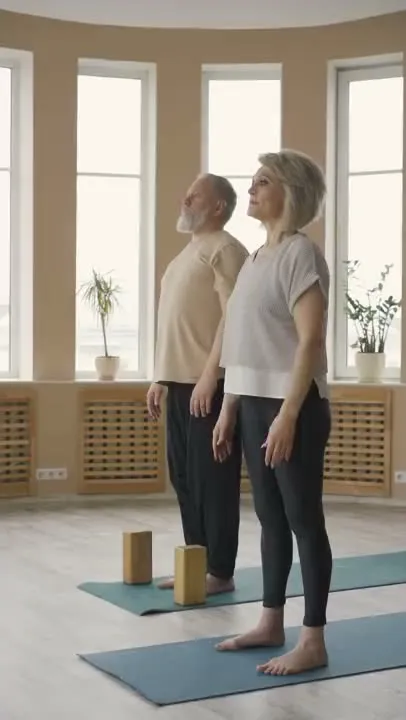
Neurological Physiotherapy and Stroke Rehabilitation at Home
Specialised rehabilitation for stroke, Parkinson's disease, dementia and other neurological conditions, delivered through home visits across Sydney from North-West Sydney to the Inner West.
Stroke, Parkinson's and Dementia Physio at Home
Neurological physiotherapy addresses conditions affecting the brain, spinal cord and nerves that lead to changes in movement, balance, coordination and sensation. Stroke rehabilitation at home in Sydney allows patients to continue their recovery in the environment where progress matters most. For those living with Parkinson's disease or dementia, regular physio home visits help maintain mobility and quality of life as conditions progress.
At Wellworx Physio, we provide condition-specific neurological physiotherapy guided by current evidence and clinical guidelines. Whether you need Parkinson's physio, dementia physio through home visits, or ongoing stroke rehabilitation, every program is tailored to your specific challenges, abilities and goals.
Stroke Rehabilitation
Stroke can cause weakness, loss of movement, altered sensation and balance problems on one side of the body. Our stroke rehabilitation programs focus on retraining movement patterns, rebuilding strength, improving walking ability and practising functional tasks. We use task-specific training, repetitive practice and progressive challenge to support neuroplasticity - the brain's ability to reorganise and form new connections.
Parkinson's Disease
Parkinson's disease affects movement through tremor, rigidity, slowness and balance problems. Physiotherapy for Parkinson's focuses on maintaining and improving movement quality. We use large-amplitude movement training, cueing strategies to help with freezing of gait, balance training, posture work and exercises designed to maintain walking speed and stride length as the condition progresses.
Multiple Sclerosis
MS can cause fatigue, muscle weakness, spasticity, balance problems and coordination difficulties. Many clients also benefit from our pain management approach alongside neurological rehabilitation. Our programs are designed to manage fatigue while maintaining strength and mobility. We adjust exercise intensity based on your energy levels and teach strategies for managing physical activity around fatigue patterns.
Other Neurological Conditions
We also work with clients affected by other neurological conditions including peripheral neuropathy, brain injury, vestibular disorders and neurodegenerative conditions. Each program is tailored to the specific challenges presented by your condition.
Evidence-Based Neurological Physiotherapy Approaches
Neurological physiotherapy uses specific treatment approaches supported by clinical research. The techniques we use depend on your condition, your current abilities and your goals.
Task-Specific Training
Practising the specific tasks you want to improve - such as walking, standing from a chair, reaching or turning. Research shows that the brain responds best to repetitive, meaningful practice of real tasks rather than abstract exercises.
Balance and Coordination Training
Progressive balance exercises including weight shifting, stepping practice, dual-task training and reactive balance challenges. For clients with Parkinson's disease, we incorporate external cueing strategies to help manage freezing and improve movement initiation.
Gait Retraining
Improving walking patterns affected by weakness, spasticity or coordination problems. We work on stride length, foot clearance, turning, speed and endurance. Training takes place in your own home, which means you practise on the surfaces and in the spaces you actually use every day.
Strength and Conditioning
Targeted strengthening for weakened muscles, combined with exercises to maintain overall fitness. Deconditioning is a common secondary problem in neurological conditions, and structured exercise through our mobility and strength programs can help maintain your physical capacity alongside condition-specific rehabilitation.
What Sessions Involve
Your initial assessment typically takes 90 minutes. We evaluate your movement, balance, strength, coordination and functional ability, and discuss your goals and priorities. From this assessment, we develop a tailored treatment plan.
Follow-up sessions are typically 45 minutes and include a combination of hands-on treatment, guided exercises and functional practice. You will also receive a home exercise program to practise between sessions - consistency and repetition are particularly important in neurological rehabilitation.
We communicate with your neurologist, GP and other members of your care team to coordinate your treatment. If you are receiving care through a Support at Home package or aged care facility, we work with your care coordinator to align physiotherapy with your broader care plan.
How It Works
Getting started with neurological physiotherapy.
Assessment
A comprehensive assessment of your movement, balance and function in your home environment.
Treatment Plan
A condition-specific program targeting your goals with evidence-based techniques.
Ongoing Rehabilitation
Regular sessions with progressive challenge, reassessment and program adjustments.
Who Benefits from Neurological Physiotherapy?
Neurological physiotherapy may benefit you if you:
- Have had a stroke and want to continue rehabilitation at home
- Have been diagnosed with Parkinson's disease and want to maintain your movement and independence
- Have multiple sclerosis and need help managing fatigue and maintaining mobility
- Experience balance or coordination problems related to a neurological condition
- Have been discharged from hospital or outpatient rehab and want to continue your recovery
Frequently Asked Questions
How soon after a stroke should physiotherapy begin?
Stroke rehabilitation typically begins in hospital. Once you are discharged home, continuing physiotherapy as soon as possible is recommended by clinical guidelines. The brain has the greatest capacity for recovery in the early months after a stroke, though improvements can continue well beyond this period with ongoing therapy.
What type of exercises are used for Parkinson's disease?
Physiotherapy for Parkinson's disease typically includes large-amplitude movement training, balance and coordination exercises, cueing strategies for freezing of gait, posture work, and exercises to maintain or improve walking speed and stride length. Programs are tailored to your stage of the condition and current abilities.
Can physiotherapy help with balance problems after a neurological event?
Yes. Balance retraining is a core component of neurological physiotherapy. We use progressive balance exercises, weight-shifting practice, stepping strategies and functional training to help improve your balance and reduce your risk of falls. Our falls prevention service often works alongside neurological rehabilitation.
Related Services
Falls Prevention
Balance training and falls risk assessment - particularly important for those with neurological conditions.
Mobility and Strength Training
Ongoing exercise programs to maintain strength and mobility alongside neurological rehabilitation.
Respiratory Physiotherapy
Breathing support for neurological conditions that affect respiratory function.
Content reviewed by Jovi Villanueva, AHPRA Registered Physiotherapist, APA Member, Principal Physiotherapist at Wellworx Physio.
Last updated: 19/09/2026
Need Neurological Rehabilitation?
Contact us to discuss how we can support your recovery and help you maintain your independence.