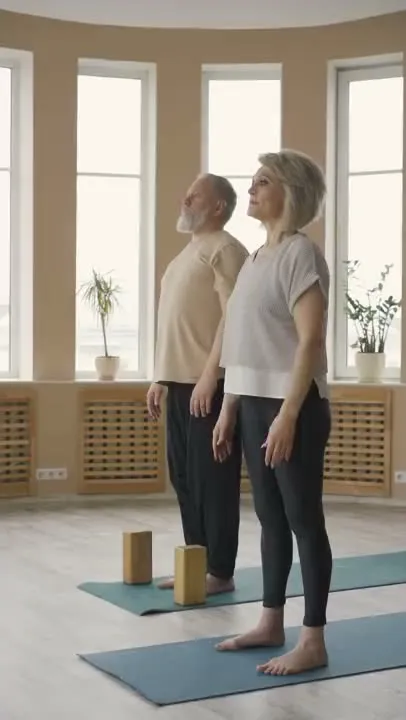
Falls Prevention Physiotherapy in Sydney
Evidence-based fall risk assessments and balance training programs for elderly clients, delivered through home visits or in your aged care facility from North-West Sydney to the Inner West.
What Is Falls Prevention Physiotherapy?
Falls are one of the leading causes of injury and hospitalisation among older Australians. A fall can result in fractures, head injuries, loss of confidence and a decline in independence. Falls prevention physiotherapy is a structured, evidence-based approach to identifying the factors that increase your risk of falling and addressing them through targeted exercise, education and environmental modification. At Wellworx Physio, our physiotherapists deliver falls prevention programs through home visits across Sydney, so you receive expert care where it matters most.
Every falls prevention program begins with a thorough fall risk assessment conducted in your own home or facility. This home safety assessment allows us to identify real hazards - loose rugs, poor lighting, uneven flooring, bathroom grab rail placement - rather than assessing you in a clinical setting that does not reflect your daily life. Combined with balance training for elderly clients and lower limb strength testing, the assessment builds a complete picture of your individual risk.
From this assessment, your physiotherapist designs a personalised exercise program that targets your specific risk factors. Programs typically focus on improving balance, building lower limb strength through targeted mobility and strength training, retraining gait patterns and increasing your confidence when moving around your home and community.
Common Fall Risk Factors We Assess
Falls in older adults are rarely caused by a single factor. Most falls result from a combination of intrinsic factors (related to your body) and extrinsic factors (related to your environment). Understanding these risk factors is the first step in reducing your fall risk.
Intrinsic Factors
- Muscle weakness, particularly in the legs and hips
- Poor balance and reduced coordination
- Changes in vision or hearing
- Medications that cause dizziness or drowsiness
- History of previous falls
- Foot pain or inappropriate footwear
Extrinsic Factors
- Loose rugs, mats and clutter on the floor
- Poor lighting, especially in hallways and stairs
- Wet or slippery bathroom surfaces
- Missing or poorly placed grab rails
- Uneven garden paths and driveways
- Steps without handrails
What the Fall Risk Assessment Involves
Your initial falls risk assessment typically takes 90 minutes and is conducted in your home or facility. We use validated screening tools recommended by clinical guidelines to build a clear picture of your individual risk profile.
Medical History and Medication Review
We review your medical conditions, surgical history, current medications and any previous falls. Certain medications - particularly sedatives, blood pressure medications and those affecting the central nervous system - can increase fall risk.
Standardised Balance and Mobility Tests
We use validated assessments such as the Timed Up and Go test, the Berg Balance Scale and the 30-Second Sit-to-Stand test to measure your balance, mobility and lower limb strength. These tests provide objective baseline measurements that we use to track your progress over time.
Gait Analysis
Your physiotherapist observes how you walk, including your stride length, speed, foot clearance and use of any walking aids. Changes in gait are a significant predictor of fall risk and guide exercise prescription.
Home Environment Walkthrough
We walk through your home with you, assessing the areas where you spend most of your time. We identify specific hazards and make practical recommendations - some as simple as removing a rug, adding a night light or rearranging furniture to create a clear walking path.
Falls Prevention Program: Balance Training and Strength Exercises
Research consistently shows that structured exercise is one of the most effective interventions for reducing fall risk in older adults. Our programs are designed around your current ability and progress at a pace that is appropriate for you.
Balance Training
Progressive standing balance exercises, weight shifting, tandem stance and single-leg work. We start at a level that is safe for you and gradually increase the challenge as your balance improves. All exercises are performed in your home using your furniture for support where needed.
Strength Training
Targeted strengthening of the muscles that support balance - particularly the quadriceps, gluteals, calves and hip stabilisers. We use resistance bands, bodyweight exercises and household items to build strength without requiring gym equipment.
Gait Retraining
Exercises to improve your walking pattern, including heel-toe walking, obstacle negotiation and turning practice. If you use a walking aid, we assess whether it is the right type and height for you and train you in its proper use.
Home Exercise Program
You receive a written and demonstrated home exercise program to practise between sessions. Consistency is important for building and maintaining balance and strength, so we design programs that fit into your daily routine.
How It Works
Getting started with falls prevention physiotherapy is straightforward.
Falls Risk Assessment
We visit your home for a comprehensive assessment of your balance, mobility, strength and environment.
Personalised Program
Your physiotherapist designs a targeted exercise and management plan based on your specific risk factors.
Ongoing Sessions
Regular sessions to progress your program, with reassessments every 6 to 8 weeks to track improvement.
Who Benefits from Falls Prevention Physiotherapy?
Falls prevention programs can be beneficial for a wide range of older adults. You may benefit from this service if you:
- Have had a fall or near-fall in the past 12 months
- Feel unsteady when walking or standing
- Have reduced confidence moving around your home or community
- Take medications that may affect balance or cause dizziness
- Live in a home with stairs, uneven surfaces or other environmental hazards
- Have a neurological condition such as stroke or Parkinson's disease that affects balance
- Have been referred by your GP, geriatrician or aged care provider for a falls assessment
Frequently Asked Questions
What does a falls risk assessment involve?
A falls risk assessment includes a review of your medical history and medications, standardised balance and mobility tests such as the Timed Up and Go and Berg Balance Scale, a lower limb strength assessment, a vision and footwear check, and a home environment walkthrough to identify hazards like loose rugs, poor lighting and uneven surfaces.
How often should falls prevention sessions happen?
Session frequency depends on your individual risk level and goals. Many clients begin with weekly sessions and transition to fortnightly as their balance and confidence improve. Your physiotherapist will recommend a schedule based on your initial assessment and adjust it as you progress.
Is falls prevention physiotherapy covered by funding?
Falls prevention physiotherapy may be covered under the Support at Home program, the Restorative Care Pathway, DVA, or Medicare GP chronic condition management plans. Eligibility depends on your individual circumstances. Learn more about funding options or contact us and we can help you understand your options.
Can you do a falls prevention assessment in an aged care facility?
Yes. We provide falls prevention assessments and programs in private homes, retirement villages and residential aged care facilities across our service area in Sydney.
Related Services
Mobility and Strength Training
Targeted exercise programs to maintain and improve your mobility, strength and independence.
Neurological Conditions
Specialised physiotherapy for stroke, Parkinson's disease and other neurological conditions affecting balance.
Post-Surgery Rehabilitation
Structured rehabilitation after hip replacement, knee replacement and other surgical procedures.
Funding information checked 11/09/2026. New GP care plans use the GP chronic condition management plan (GPCCMP). Eligible older GP management plans and team care arrangements prepared before 01/07/2025 can support services under the transition rules until 30/06/2027. Referral validity and the annual service allowance are separate checks. Check your current service approval, available budget and any gap before booking. Sources: Services Australia, My Aged Care and DVA.
Content reviewed by Jovi Villanueva, AHPRA Registered Physiotherapist, APA Member, Principal Physiotherapist at Wellworx Physio.
Last updated: 19/09/2026
Concerned About Falls?
Contact us today to arrange a falls risk assessment in your home or aged care facility.