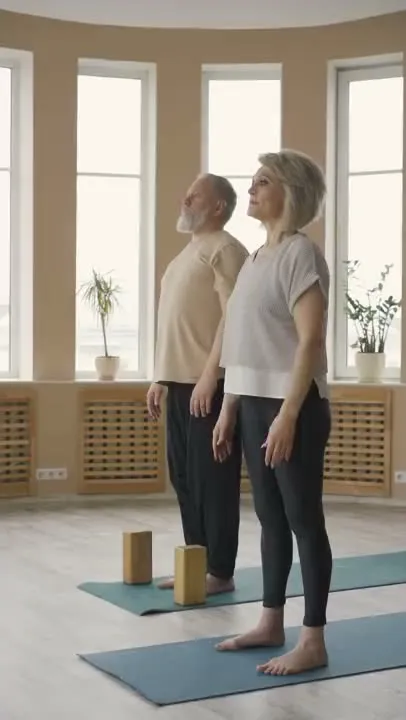
COPD Physiotherapy at Home
COPD affects over half a million Australians. Physiotherapy can support breathing, exercise tolerance, and daily function - delivered in the comfort of your home.
What Is COPD and How Does It Affect Daily Life?
Chronic Obstructive Pulmonary Disease, commonly known as COPD, is a progressive lung condition that makes it increasingly difficult to breathe. It includes conditions previously referred to as emphysema and chronic bronchitis. The airways become narrowed and inflamed, and the air sacs in the lungs lose their elasticity, making it harder to move air in and out.
For people living with COPD, everyday activities that most people take for granted - walking to the letterbox, showering, getting dressed, carrying groceries - can become exhausting. Breathlessness during physical activity is the hallmark symptom, and as the condition progresses, it takes less and less exertion to trigger it.
This breathlessness often leads to a cycle of inactivity: you feel short of breath when you move, so you move less. Moving less leads to deconditioning - your muscles weaken, your cardiovascular fitness drops, and activities become even more difficult. Breaking this cycle is one of the primary goals of physiotherapy for COPD.
While COPD cannot be cured, there is strong evidence that physiotherapy and pulmonary rehabilitation can support symptom management, improve exercise capacity, and help maintain quality of life.
What Is Pulmonary Rehabilitation?
Pulmonary rehabilitation is an evidence-based program of exercise and education for people with chronic lung conditions such as COPD. It is widely recognised as one of the most effective non-medication treatments for COPD, and is recommended in both Australian and international clinical guidelines.
A standard pulmonary rehabilitation program typically runs for 6 to 8 weeks and includes:
- Supervised exercise training - structured aerobic and strengthening exercises tailored to your current capacity and gradually progressed over the program
- Breathing technique education - learning strategies to manage breathlessness during activity and at rest
- Self-management education - understanding your condition, recognising flare-ups early, using medications effectively, and knowing when to seek medical help
- Energy conservation strategies - learning how to pace yourself and modify activities to reduce unnecessary breathlessness
Pulmonary rehabilitation is traditionally offered in hospital outpatient settings or community health centres. However, for people who have difficulty travelling to these programs - due to breathlessness, mobility problems, or transport barriers - home-based pulmonary rehabilitation delivered by a physiotherapist can provide similar benefits.
Breathing Techniques for COPD
A physiotherapist can teach you specific breathing techniques that may help manage breathlessness during daily activities. These techniques do not change the underlying lung disease, but they can help you use the lung capacity you have more efficiently.
Pursed-Lip Breathing
Breathe in through your nose for 2 counts, then breathe out slowly through pursed lips (as if gently blowing out a candle) for 4 counts. This technique may help slow your breathing rate, keep the airways open for longer during exhalation, and reduce the sensation of breathlessness. It is particularly useful during physical activity or when you feel short of breath.
Diaphragmatic Breathing
Place one hand on your chest and one on your abdomen. Breathe in through your nose, directing the breath down so your abdomen rises while your chest stays relatively still. Breathe out slowly through pursed lips. This encourages use of the diaphragm - the main breathing muscle - rather than relying on the smaller, less efficient muscles in the neck and shoulders.
Pacing and Breathing Coordination
Coordinating your breathing with your movements can help manage breathlessness during tasks. For example, breathing out during the effort phase of an activity (such as standing up from a chair or climbing a step) and breathing in during the rest phase. Your physiotherapist can practise this with you during specific activities in your home.
Building Exercise Tolerance with COPD
Exercise is a cornerstone of COPD management, despite the fact that exercise causes breathlessness. The key is starting at a level that is manageable for you and gradually building up over time. This is where a physiotherapist's expertise is particularly valuable - they understand how to dose exercise safely for someone with a respiratory condition.
A typical home-based exercise program for COPD may include:
Walking Programs
Walking is one of the simplest and most effective exercises for people with COPD. Your physiotherapist may start with short walks - even around the house - and gradually increase distance and pace as your tolerance improves. Using your breathing techniques while walking helps manage breathlessness during the activity.
Leg Strengthening
Exercises such as sit-to-stand, mini squats (holding a bench for support), and step-ups build leg strength. Stronger leg muscles mean daily tasks require less effort relative to your capacity, which can reduce the breathlessness you experience during those tasks.
Upper Limb Exercises
Many daily tasks that cause breathlessness in COPD involve the arms - hanging washing, reaching into cupboards, carrying bags. Light arm exercises using small weights or resistance bands can help build upper body strength and reduce the effort required for these activities.
Important: It is normal to feel short of breath during exercise when you have COPD. Breathlessness during activity does not mean you are damaging your lungs. Your physiotherapist will teach you how to monitor your breathlessness using a rating scale and will set exercise parameters that keep you in a safe and beneficial range.
Airway Clearance Techniques
Some people with COPD - particularly those with a chronic bronchitis component - produce excess mucus that can be difficult to clear from the airways. A physiotherapist can teach you airway clearance techniques that may help you manage this more effectively.
Active Cycle of Breathing Technique (ACBT)
ACBT is a sequence of breathing exercises that combines breathing control, thoracic expansion exercises, and a forced expiration technique (huffing). This cycle helps move mucus from the smaller airways to the larger ones where it can be cleared more easily. Your physiotherapist can teach you the sequence and adjust it to your needs.
Positioning
Certain body positions can help mucus drain from specific areas of the lungs using gravity. Your physiotherapist can recommend positions that target the areas where you tend to accumulate secretions. This may involve lying on your side, sitting upright, or other positions held for a set period while performing breathing exercises.
Huffing
A huff is a forced breath out through an open mouth, like fogging up a mirror. It is more effective than coughing for moving mucus from the lower airways and is less tiring. Your physiotherapist can teach you when and how to use huffing as part of your airway clearance routine.
Why Home-Based Physiotherapy Suits COPD Management
For many people with COPD, getting to a clinic or hospital for a pulmonary rehabilitation program is one of the biggest barriers to accessing treatment. Breathlessness makes travel exhausting, public transport may not be an option, and relying on others for transport adds complexity.
Mobile physiotherapy addresses this barrier directly. Your physiotherapist comes to your home, which means you can access exercise training, breathing technique education, and airway clearance instruction without the physical effort and stress of travelling. Sessions are conducted in your own environment, using your own furniture and your own walking routes.
This also means your physiotherapist can observe how you manage specific tasks in your home - how you cope with your stairs, how breathless you get walking to your kitchen, and how you pace yourself during activities. This real-world information helps them tailor your program to the demands of your daily life.
For more about our respiratory physiotherapy services, visit the respiratory physiotherapy service page. For information about funding options, visit our funding and payment options page.
Frequently Asked Questions
Can physiotherapy help with COPD?
Physiotherapy cannot cure COPD, but it can support management of the condition. Exercise training, breathing techniques, and airway clearance strategies may help improve exercise tolerance, reduce breathlessness during daily activities, and support quality of life. Pulmonary rehabilitation is recommended in clinical guidelines as a key part of COPD management.
Is it safe to exercise with COPD?
Yes, exercise is recommended for people with COPD. Feeling short of breath during exercise is expected and does not mean you are harming your lungs. A physiotherapist experienced in respiratory conditions can prescribe exercise at the right intensity for your capacity and teach you breathing techniques to manage breathlessness during activity.
Can pulmonary rehabilitation be done at home?
Yes. While pulmonary rehabilitation is traditionally offered in hospital or community settings, home-based programs supervised by a physiotherapist can provide similar benefits. This is particularly suitable for people who have difficulty travelling to group programs due to breathlessness, mobility issues, or transport barriers.
Content reviewed by Jovi Villanueva, AHPRA Registered Physiotherapist (PHY0001876394), Principal Physiotherapist at Wellworx Physio.
Last updated: 08/10/2026
Living with COPD?
We provide in-home respiratory physiotherapy to help you manage breathlessness, build exercise tolerance, and stay active. No travel required.